
Climbing the Andes in South America: Argentina, Bolivia, Chile, Colombia, Ecuador, Peru, and Venezuela
A country-by-country overview of climbing seasons, altitude acclimatization, and the highest peaks across the seven Andean nations.
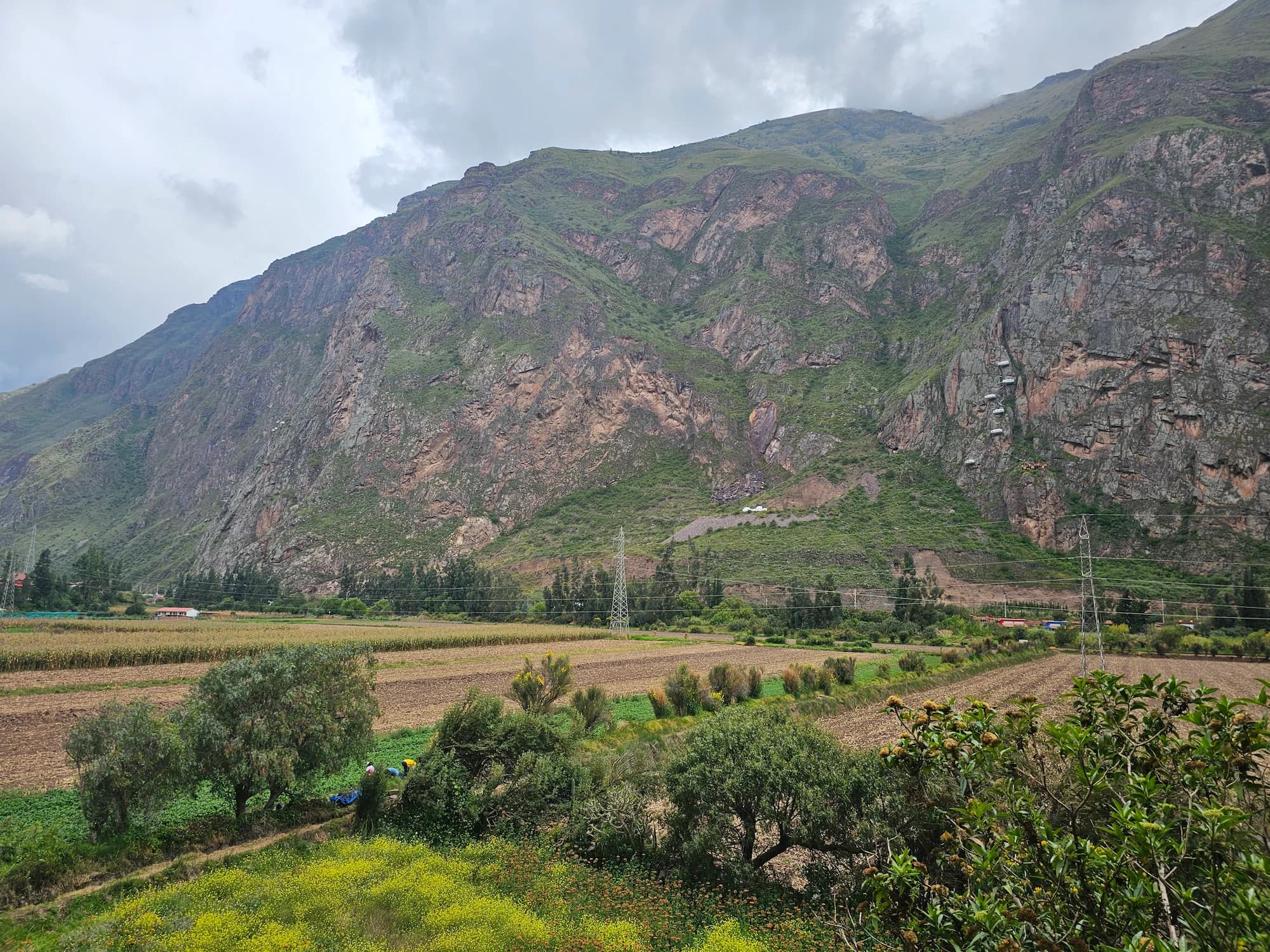
Most people don’t know that the Andes are the longest continental mountain range in the world and span seven countries. Climbing in the Andes differs greatly from country to crag as the range runs north–south across South America. Here’s a brief overview and a few interesting facts to make planning your next rock climbing trip in the Andes a little easier. As always, if you need a guide, we recommend hiring locally!
Weather
With the fluctuations in complex weather patterns over the last few years, we strongly recommend that travelers keep an eye on how El Niño or La Niña may impact their trip. Connecting with your local guide for first-hand knowledge of changing conditions will significantly help with planning.
Best Time to Climb
| Country | Recommended Window | What to Expect |
|---|---|---|
| Argentina | December–January | Predictable conditions, warm temperatures, and more daylight. |
| Bolivia | June–August | The dry season provides firm snow conditions for mountaineers. |
| Chile | December–March | The most stable general window, though conditions vary across Chile’s long geography. |
| Colombia | February–March | The best window for dry and clear conditions. |
| Ecuador | June–September | The dry season provides firm snow conditions for mountaineers. |
| Peru | May–September | The dry season and best time to climb in Peru. |
| Venezuela | December–March | The best window for dry and clear conditions. |
Acclimatization for Altitude Sickness
High-elevation travel deserves a gradual itinerary. Build in time to acclimatize, pay attention to how you feel, and seek local guidance before heading higher.
| Country | Altitude Considerations |
|---|---|
| Argentina | While Buenos Aires and coastal regions are low risk, travel to many tourism and climbing destinations involves high elevation and will require acclimatization. Particular attention should be paid when flying into airports such as Gobernador Horacio Guzmán International Airport, where immediate entry into the mountains by car could cause altitude sickness. |
| Bolivia | Altitude is not an issue for those arriving in Santa Cruz de la Sierra, but climbers are likely to find themselves planning to arrive in La Paz. With the airport at around 4,000 m above sea level, caution is highly recommended. While the climbing is plentiful—even right outside La Paz—acclimatization should be a significant priority. |
| Chile | While travel to much of Chile is low risk, visitors whose activities take them into high-elevation zones such as the Andes or Atacama Desert will require acclimatization. |
| Colombia | Travel in the Bogotá, Boyacá, and Santander regions, which encompass many of the major climbing destinations, will require acclimatization. |
| Ecuador | While Guayaquil welcomes coastal visitors, arrival in Quito and travel in the region will require acclimatization, as Quito itself sits at high elevation. |
| Peru | While Lima and coastal regions are low risk, travel to most tourism and climbing destinations—such as Huaraz, Cusco, or Pitumarca—will require acclimatization. |
| Venezuela | Travel in the Mérida, Táchira, and Trujillo regions, which encompass the northern tip of the Andes, will require acclimatization. |
Highest Peaks
| Country | Highest Peak | Elevation | Interesting Fact |
|---|---|---|---|
| Argentina | Aconcagua | 6,961 m | One of the Seven Summits. |
| Bolivia | Nevado Sajama | 6,542 m | An extinct stratovolcano. |
| Chile | Nevado Ojos del Salado | 6,893 m | The highest volcano on Earth. |
| Colombia | Pico Simón Bolívar | 5,720 m | Recent surveys place it highest, though it is often considered alongside Pico Cristóbal Colón for the title. |
| Ecuador | Chimborazo | 6,263 m | Its summit is the point on Earth’s surface farthest from Earth’s center. |
| Peru | Huascarán | 6,768 m | The fourth-highest mountain in South America. |
| Venezuela | Pico Bolívar | 4,978 m | The Mérida Cable Car can take visitors to 4,765 m, from where the remaining section can be hiked on foot. |